
Vascular Conditions
Venous Ulcer
Venous ulcers form when the leg veins fail to return blood efficiently, raising pressure and breaking down the skin — typically around the ankle. They are the most common type of leg ulcer.
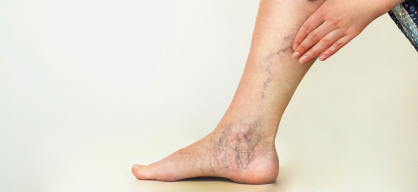
warning Symptoms & Signs
- check_circle A shallow wound, usually near the ankle
- check_circle Aching, swollen legs that improve with elevation
- check_circle Varicose veins
- check_circle Skin discolouration and hardening around the ankle
help Causes & Risk Factors
- check_circle Faulty vein valves (venous insufficiency)
- check_circle Varicose veins
- check_circle Previous deep vein thrombosis
- check_circle Prolonged standing
emergency When to See a Doctor
- check_circle An ankle wound that will not heal
- check_circle Persistent leg swelling with skin changes
- check_circle Recurrent leg ulcers
medical_services How Dr. Shah Treats It
Compression therapy is the foundation, alongside wound care. Treating the underlying vein problem — for example by minimally invasive vein procedures — promotes healing and prevents recurrence.
Discuss your treatment arrow_forwardquiz Frequently Asked Questions
It counteracts the high venous pressure that drives the ulcer. Without compression, venous ulcers heal slowly and tend to return.