
Diabetic Foot Conditions
Gangrene
Gangrene is the death of body tissue, usually caused by a critical loss of blood supply or severe infection. In the diabetic foot it most often appears at the toes. It is a limb-threatening emergency, but even with gangrene present, much of the foot can frequently be saved with prompt vascular and surgical care.
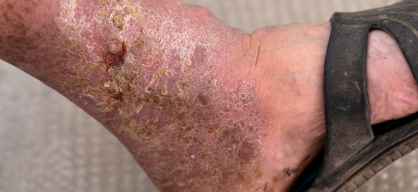
warning Symptoms & Signs
- check_circle Skin turning dark brown, purple, blue or black
- check_circle Cold, numb tissue
- check_circle A clear line between healthy and dead tissue
- check_circle Foul-smelling discharge if infection is present
- check_circle Severe pain, or no sensation at all
help Causes & Risk Factors
- check_circle Severe peripheral artery disease cutting off blood flow
- check_circle Untreated infection in a diabetic foot
- check_circle Blood clots blocking an artery
- check_circle Long-standing uncontrolled diabetes
emergency When to See a Doctor
- check_circle Any blackening or discolouration of the toes or foot — seek care immediately
- check_circle A cold, painful or numb foot with colour change
- check_circle Spreading dark tissue or foul odour
medical_services How Dr. Shah Treats It
The first step is urgently restoring blood flow where possible through angioplasty or bypass, then removing dead tissue and controlling infection. Reconstruction preserves as much functional foot as possible. Amputation is considered only when tissue cannot be saved — and is kept as limited as the situation allows.
Discuss your treatment arrow_forwardquiz Frequently Asked Questions
Often the spread can be stopped and much of the foot saved, especially if blood flow is restored early. The dead tissue itself must be removed, but limited surgery frequently preserves a working foot.
Immediately. Gangrene is an emergency — every day of delay reduces how much of the foot can be saved.