
Skin & Nail Disorders
Dry & Cracked Feet
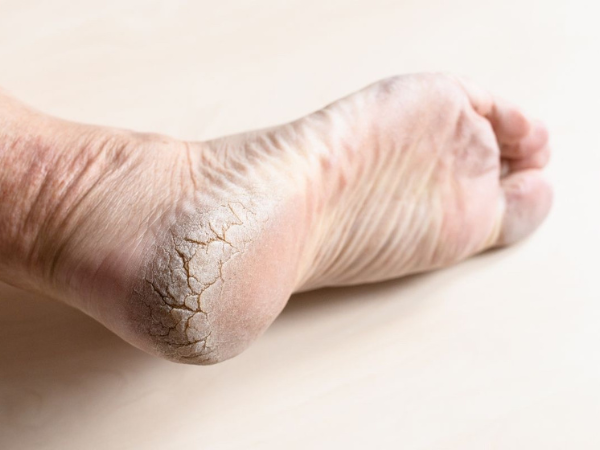
Diabetes can reduce the skin's natural moisture, leading to dryness and cracks (fissures), especially at the heels. Deep cracks can become entry points for infection.
warning Symptoms & Signs
- check_circle Dry, flaky or rough skin
- check_circle Cracks or splits, often at the heels
- check_circle Itching or discomfort
- check_circle Bleeding from deep fissures
help Causes & Risk Factors
- check_circle Reduced sweating from autonomic neuropathy
- check_circle Low humidity and inadequate moisturising
- check_circle Standing for long periods
emergency When to See a Doctor
- check_circle Deep or bleeding heel cracks
- check_circle Any crack showing signs of infection
- check_circle Cracks that do not heal in a diabetic foot
medical_services How Dr. Shah Treats It
Regular emollient use, professional skin care and protective footwear. Infected or deep fissures are treated to prevent them becoming wounds.
Discuss your treatment arrow_forwardquiz Frequently Asked Questions
A urea-based or thick emollient applied daily works well — but avoid applying between the toes, where excess moisture can cause problems.