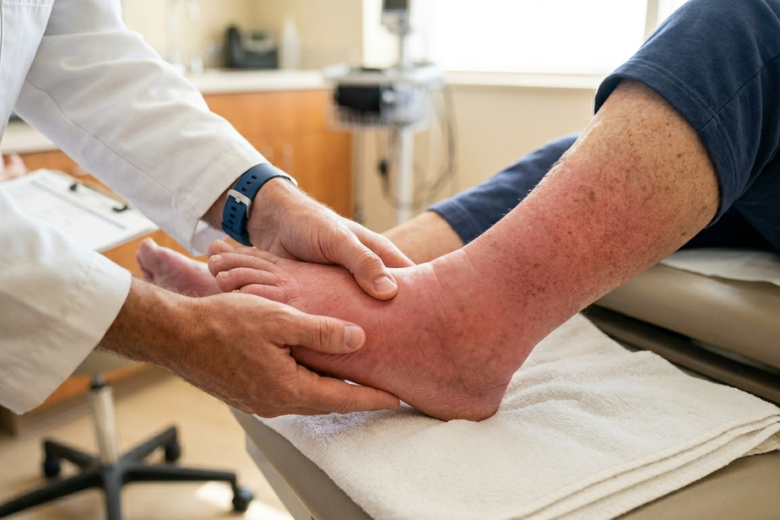

Many people living with diabetes believe that a small cut, blister, or wound on the foot is not a serious problem. Unfortunately, this assumption often leads to major complications. At Elegance Diabetic Foot & Ulcer Clinic in Surat, we regularly meet patients who ignored a minor foot infection fo…
Many people living with diabetes believe that a small cut, blister, or wound on the foot is not a serious problem. Unfortunately, this assumption often leads to major complications.
At Elegance Diabetic Foot & Ulcer Clinic in Surat, we regularly meet patients who ignored a minor foot infection for a few days or weeks. What started as a tiny wound eventually became a painful infection requiring advanced medical care.
I am Dr. Ashutosh Shah, and one of the most important messages I share with my patients is simple. Never ignore a foot infection when you have diabetes.
A small infection can quickly turn into an emergency because diabetes affects healing, blood circulation, and the body’s ability to fight infection.
Why Do Small Infections Become Serious in Diabetes?
Diabetes affects the nerves and blood vessels of the feet. As a result, many patients may not feel pain even when an injury develops.
Moreover, reduced blood supply slows the healing process. Bacteria can grow rapidly in the wound, leading to a deeper infection.
Common problems include:
- Delayed wound healing
- Reduced blood circulation
- Loss of sensation in the feet
- Increased risk of infection
- Higher chances of ulcers
Therefore, even a small crack in the skin should never be ignored.
Common Causes of Diabetic Foot Infections
Many patients are surprised when an infection develops from something very simple.
Improper Footwear
Tight footwear can cause friction and blisters. Over time, these blisters may become infected.
Minor Cuts and Injuries
A small injury while walking barefoot can create an entry point for bacteria.
Cracked Heels
Dry skin and cracked heels can become infected if proper care is not taken.
Ingrown Toenails
An untreated ingrown nail may lead to swelling, pain, and infection.
Existing Diabetic Foot Ulcers
Patients with diabetic ulcers face a higher risk of developing severe infections.
Symptoms That Should Never Be Ignored
Recognising symptoms early can prevent serious complications.
Early Signs
- Redness around the wound
- Mild swelling
- Warm skin
- Small amount of discharge
- Delayed healing
Advanced Warning Signs
- Increasing pain or discomfort
- Pus formation
- Bad smell from the wound
- Blackening of skin
- Fever and weakness
- Difficulty walking
If you notice any of these symptoms, seeking Diabetic Foot Infection Treatment quickly is important.
How We Diagnose Diabetic Foot Infections at Elegance Clinic
At Elegance Diabetic Foot & Ulcer Clinic, we believe in identifying the root cause before starting treatment.
Our evaluation may include:
- Detailed foot examination
- Assessment of blood circulation
- Wound depth analysis
- Infection assessment
- Blood sugar evaluation
- Imaging studies when required
This helps us create a personalised treatment plan for every patient.
Diabetic Foot Infection Treatment Options
The right treatment depends on the severity of the infection.
Wound Cleaning and Dressing
Proper cleaning removes infected tissue and helps the wound heal safely.
Infection Control
Antibiotics may be recommended when bacterial infection is present.
Advanced Wound Care
Modern wound care techniques help improve healing and reduce complications.
Diabetic Foot Ulcer Management
If an ulcer is present, specialised treatment may be needed to protect the tissue and promote recovery.
Pressure Offloading
Reducing pressure on the affected area allows better healing.
Blood Sugar Management
Good diabetes control plays a major role in successful treatment outcomes.
Benefits of Early Diabetic Foot Infection Treatment
Many patients ask whether early treatment really makes a difference.
The answer is yes.
Benefits include:
- Faster healing
- Reduced pain
- Lower risk of hospitalisation
- Prevention of deeper infection
- Reduced chances of surgery
- Better mobility
- Improved quality of life
Most importantly, early care can help prevent amputation in many cases.
What Is the Cost of Diabetic Foot Infection Treatment?
One of the most common concerns among patients is treatment cost.
The cost depends on several factors, including:
- Severity of infection
- Size of the wound
- Number of dressing sessions
- Need for advanced wound care
- Duration of treatment
- Associated diabetic complications
At Elegance Clinic, we always explain the treatment plan clearly before proceeding. Our goal is to provide practical and effective care that matches the patient’s medical needs.
Who Is a Good Candidate for Treatment?
You should consider professional evaluation if you have:
- Diabetes with a foot wound
- A non healing ulcer
- Swelling or redness in the foot
- Recurrent foot infections
- Loss of sensation in the feet
- Poor blood circulation
Even if the wound appears small, an assessment is highly recommended.
Realistic Results Patients Can Expect
Patients often want to know how quickly they will recover.
The answer varies from person to person.
Factors affecting results include:
- Blood sugar levels
- Infection severity
- Blood circulation
- Overall health
- Compliance with treatment
Many patients notice improvement within a few weeks. However, deeper infections may require longer care and regular follow up visits.
Consistent treatment usually produces the best outcomes.
Common Myths About Diabetic Foot Infections
Myth: It Does Not Hurt, So It Is Not Serious
Many diabetic patients have reduced sensation. Lack of pain does not mean the infection is harmless.
Myth: Home Remedies Are Enough
Home remedies may delay proper treatment and increase complications.
Myth: Antibiotics Alone Will Solve Everything
Successful treatment often requires wound care, pressure management, and diabetes control.
Myth: Small Wounds Heal Automatically
Even tiny wounds can become serious when diabetes is involved.
After Treatment Care Tips
Proper aftercare is essential for long term success.
Daily Foot Inspection
Check your feet every day for cuts, redness, or swelling.
Wear Appropriate Footwear
Comfortable diabetic footwear reduces pressure and injury risk.
Maintain Blood Sugar Control
Stable sugar levels support faster healing.
Attend Follow Up Visits
Regular monitoring helps prevent recurrence.
Keep Feet Clean and Dry
Good hygiene reduces infection risk.
Why Patients Choose Elegance Diabetic Foot & Ulcer Clinic in Surat
Patients across Surat trust Elegance Diabetic Foot & Ulcer Clinic because we focus on practical, personalised care.
Our approach includes:
- Comprehensive diabetic foot assessment
- Advanced wound management
- Patient education
- Personalised treatment planning
- Focus on limb preservation
- Experienced guidance from Dr. Ashutosh Shah
We understand that every patient has different challenges. Therefore, we create treatment plans that fit individual needs rather than using a one size fits all approach.
Conclusion
A small infection in a diabetic foot can become a serious emergency much faster than many people realise. Early diagnosis and timely Diabetic Foot Infection Treatment can prevent complications, reduce recovery time, and protect long term foot health.
If you have diabetes and notice any wound, redness, swelling, or delayed healing, do not wait for the problem to worsen. Seeking expert care early can make a significant difference.
At Elegance Diabetic Foot & Ulcer Clinic in Surat, our goal is to help patients heal safely, stay active, and avoid preventable complications.
The best treatment depends on the severity of the infection. It may include wound care, antibiotics, advanced dressings, pressure offloading, and blood sugar management.
Yes. When performed under expert supervision, treatment is generally safe and designed to reduce infection while promoting healing.
You should seek medical attention immediately if you notice redness, swelling, discharge, foul smell, delayed healing, or skin colour changes in your foot.
The number of sessions depends on the size and depth of the wound, blood sugar control, and overall healing response.
This article is general education, not a diagnosis. If you have a diabetic foot wound, please have it assessed in person. Send a photo on WhatsApp or book a consultation.